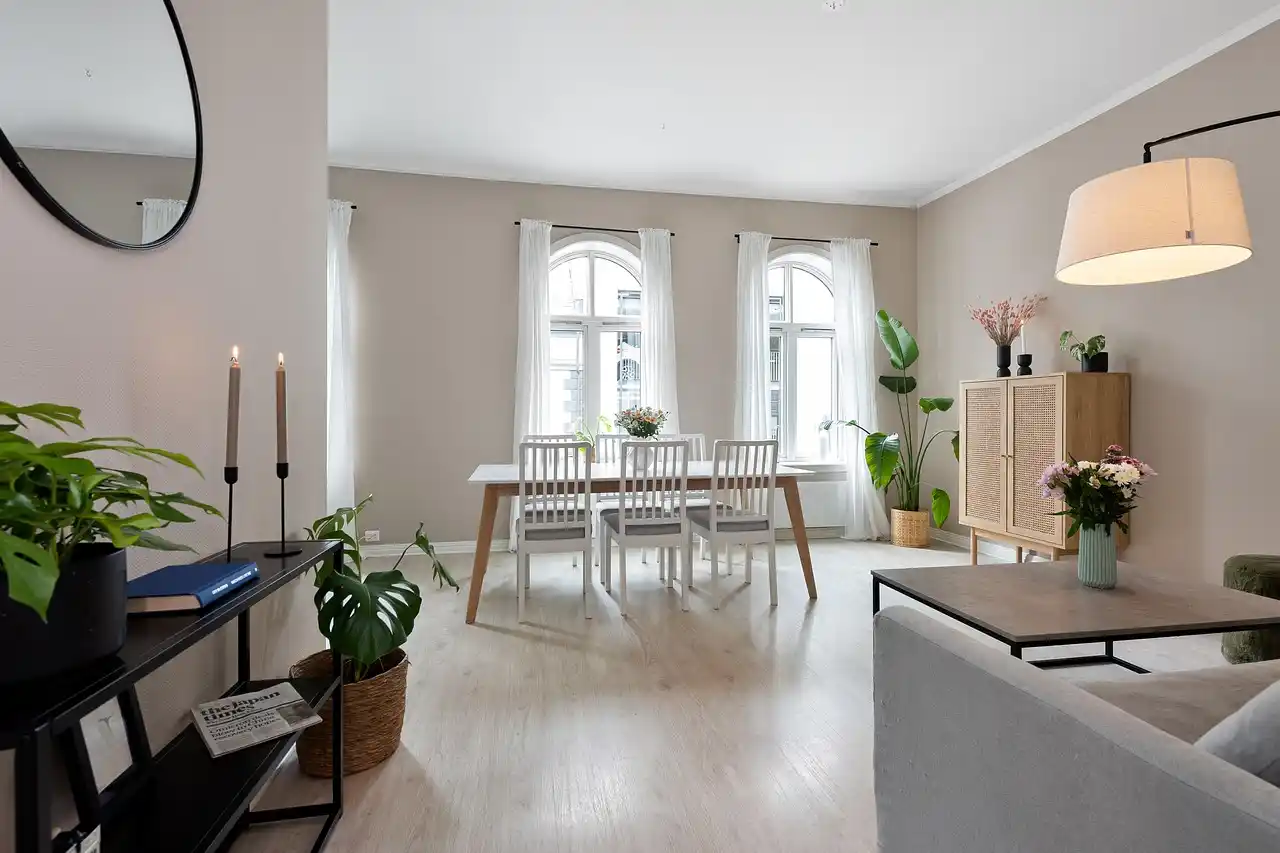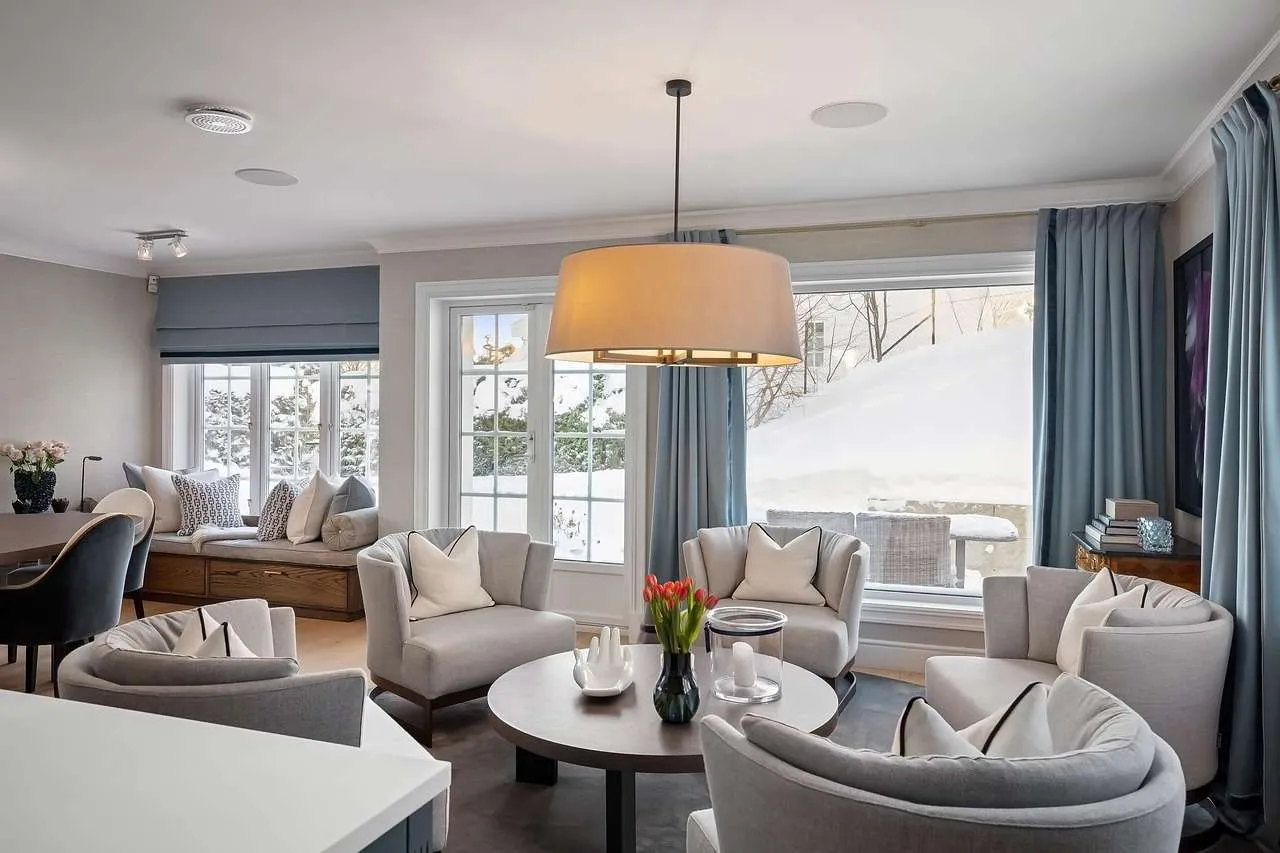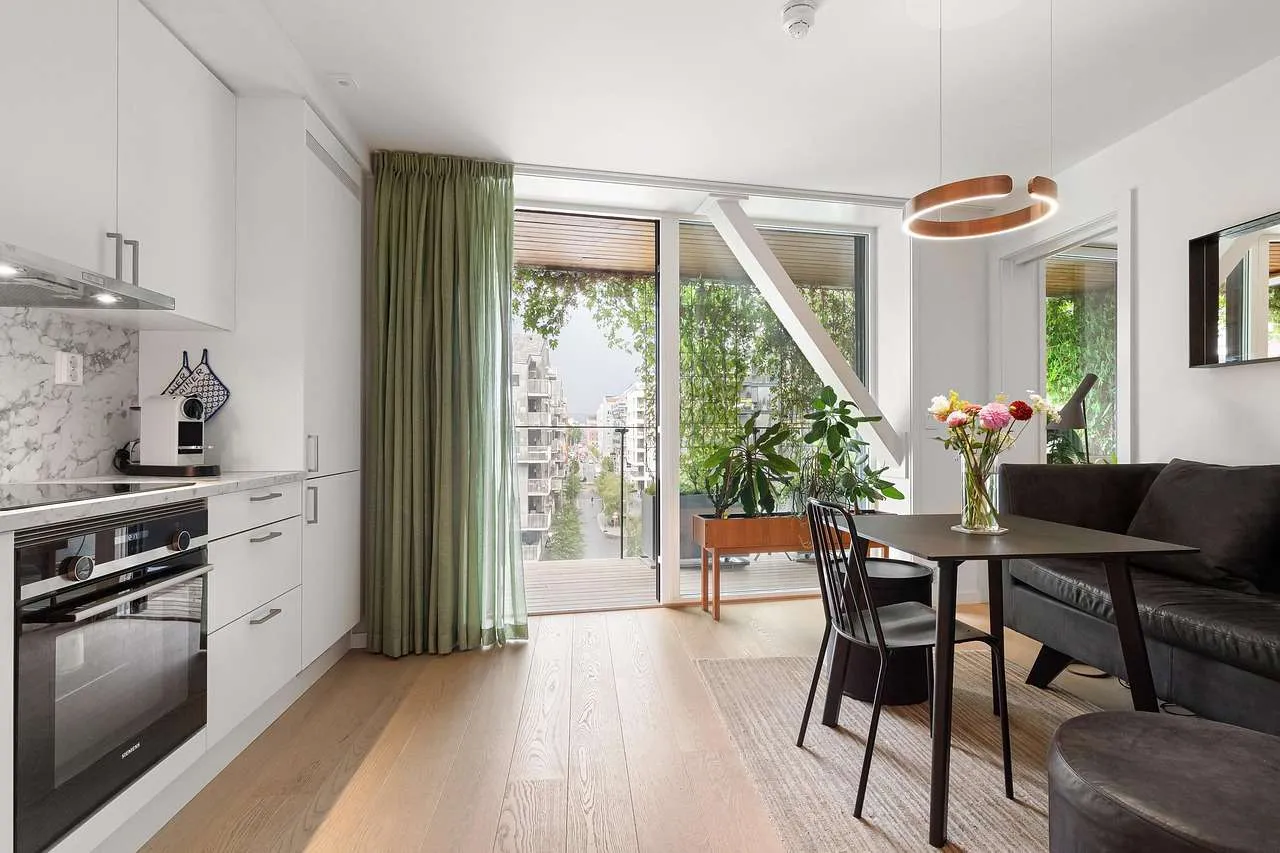
What is home window tinting?
Home window tinting refers to applying a thin, multi-layer film to interior or exterior panes to alter light, heat, and UV transmission. The film is adhered with a polymer-based adhesive and installed by professionals or capable DIY enthusiasts with proper tools. Proper installation preserves visibility and avoids bubbling or edge seal failures. Quality tint films come with warranties and should comply with safety standards.
Benefits of window tinting at home
Tinting improves energy efficiency by reducing heat gain in hot months and retaining warmth in cool months. This lowers central HVAC demand and can translate into lower energy bills. UV rejection protects furnishings from fading and helps prevent skin damage. Glare reduction improves comfort for TV, computer, or reading areas. Privacy is enhanced without heavy drapes, and certain tints add an extra layer of security by making breakage less noticeable from the outside. When installed by a licensed installer, you also receive a warranty and assurance of safety and code compliance.
Types of window tint films
There are several common film types, each with different performance and aesthetics. Dyed films are the most affordable and primarily reduce glare and heat. Metalized films offer strong heat rejection but can interfere with electronics and RFID signals. Ceramic films provide excellent heat rejection without metal content, preserving clarity and touch-sensitive surfaces. Carbon films offer a natural shade with good heat control and minimal reflectivity. Hybrid films combine elements for balanced performance. When selecting, consider color stability, visible light transmission (VLT), and how the tint looks during day and night.
Choosing the right tint for your home
Start by choosing a target VLT that suits your climate and privacy needs. In hotter regions, a lower VLT (darker tint) can dramatically reduce cooling loads, while in milder climates you may prioritize UV protection and glare control. HOA rules or local regulations may limit darkness or require certain reflectivity. For homeowners with smart home devices or touchscreens, non-metallic ceramic or carbon films are often preferred to avoid interference. Seek products with warranties from reputable manufacturers and ensure proper installation by qualified technicians to maintain safety and performance.
Installation considerations and maintenance
Professional installation is usually recommended for large or multi-pane windows. A skilled installer ensures precise cut lines, proper edge sealing, and bubble-free film. DIY kits exist but require careful technique and a clean environment; mistakes can void warranties and harm the window frame. Regular cleaning with non-abrasive, non-ammonia cleaners helps preserve clarity. Avoid abrasive pads that could scratch the film. Most films resist fading for many years, but some may require re-tinting or replacement after a decade depending on climate and sun exposure. Insurance and warranty coverage can provide additional protection if issues arise.
Cost and return on investment
Costs vary by film type, window size, and labor, but typical residential tinting projects range from $5 to $15 per square foot for professional installation, with higher-end films costing more. While this is an upfront investment, the long-term energy savings, reduced fading of furnishings, and improved comfort can deliver a favorable return. In energy-conscious homes, the payoff is often most noticeable in cooling season savings and in regions with intense sun exposure. When evaluating options, request a written estimate, compare warranties, and verify installer credentials.
Legal considerations and safety
Many jurisdictions regulate window tint darkness for vehicles and sometimes for homes, particularly near public spaces or medical facilities. Check local codes and HOA guidelines before installing. Additionally, window films should be applied by trained technicians using safety-rated adhesives to avoid air quality concerns and glass edge damage. Professional installers follow best practices for safety, warranty transfer, and post-installation inspection.
Film type comparison
| Film Type | Key Advantage | UV Rejection | Heat Reduction | Durability | Best For |
|---|---|---|---|---|---|
| Dyed | Budget option; reduces glare | Good | Moderate | Lower than others; may fade | Privacy at low cost |
| Metalized | Excellent heat reflection | Very good | High | Can interfere with signals | Heat management, privacy |
| Ceramic | Non-conductive; maintains visibility | Excellent | High | Very durable | Energy efficiency, electronics-friendly |
| Carbon | Natural tint; balanced color | Excellent | High | Very durable | Energy efficiency, aesthetics |
| Hybrid | Best of both worlds | Excellent | High | Good | Versatile |
Conclusion
Choosing the right home window tinting solution blends science, style, and safety. By understanding film types, climate considerations, and local regulations, homeowners can select a option that balances energy savings, comfort, and aesthetics. Work with a licensed installer, review warranties, and choose reputable brands to ensure performance and longevity. Proper maintenance and professional installation protect your investment for years to come.
Summary: Home window tinting improves energy efficiency, protects interior furnishings from UV fading, reduces glare, and enhances privacy. By selecting the right film type, aligning with local regulations, and hiring a skilled installer, you maximize comfort and value while safeguarding your home’s glass assets.